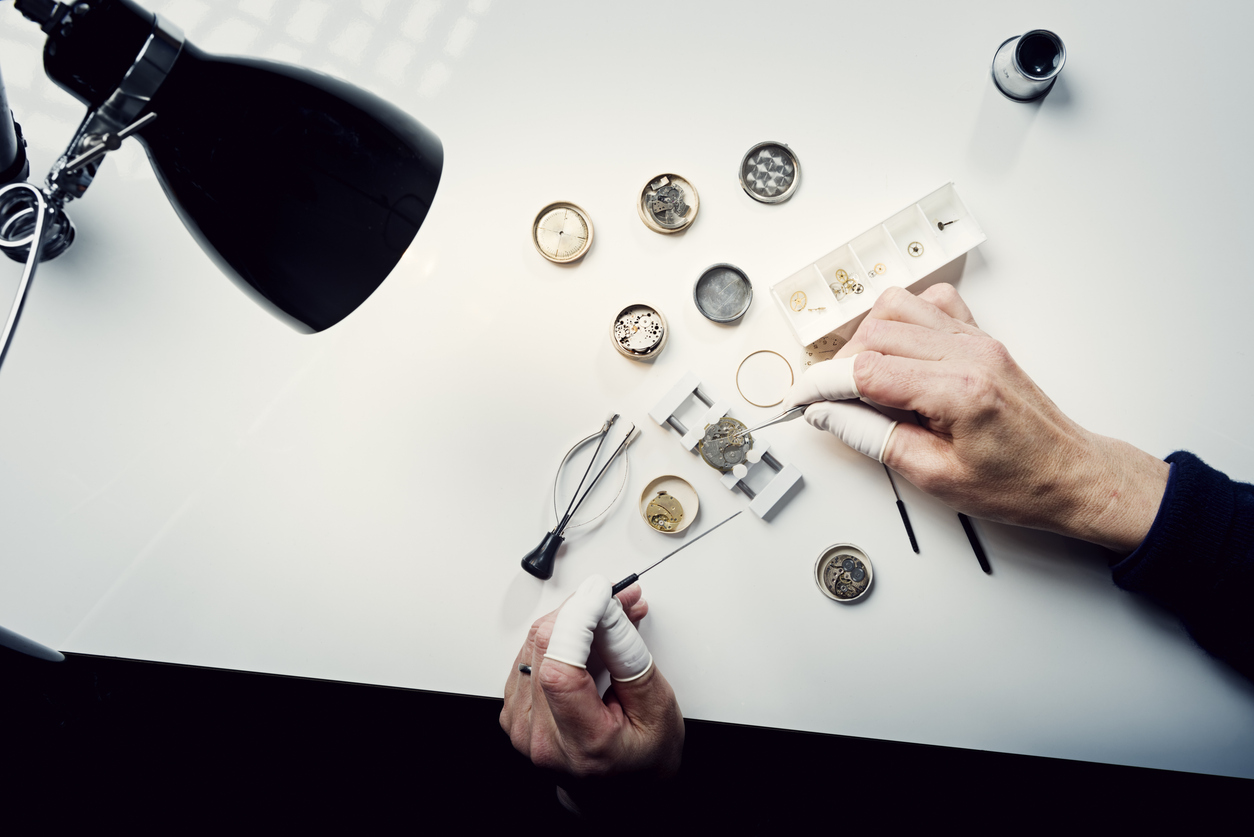
Mechanical Work

Sometimes the best part of the job is hearing a watch settle back into a steady rhythm.

That steady tick is what happens when a lot of small things — clean parts, correct adjustments, everything working together — finally line up.

Services

Practical watch service, with the decisions explained.

Here's where I spend most of my time. What I actually recommend depends on the watch itself — its history, what parts I can get, and what you're hoping for.

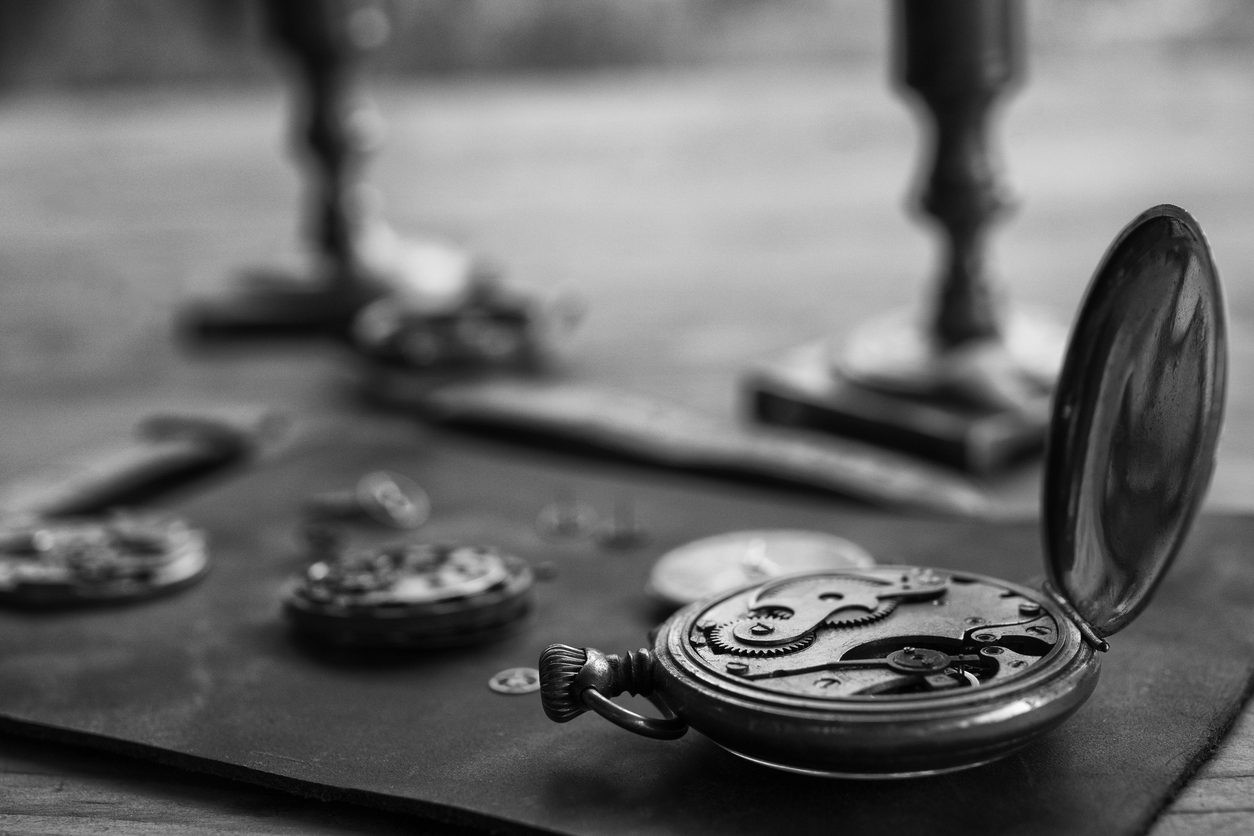
Mechanical watch movement during service
01

Movement Overhaul

Service the movement, not just the symptom.

If a mechanical watch is stopping, running rough, or just showing its age, a full overhaul is often the right call — taking it apart, cleaning it, checking every part, oiling it correctly, putting it back together, and testing it.

  • Movement condition and wear review
  • Cleaning, lubrication, reassembly, and adjustment as appropriate
  • Parts needs discussed when they affect scope or cost
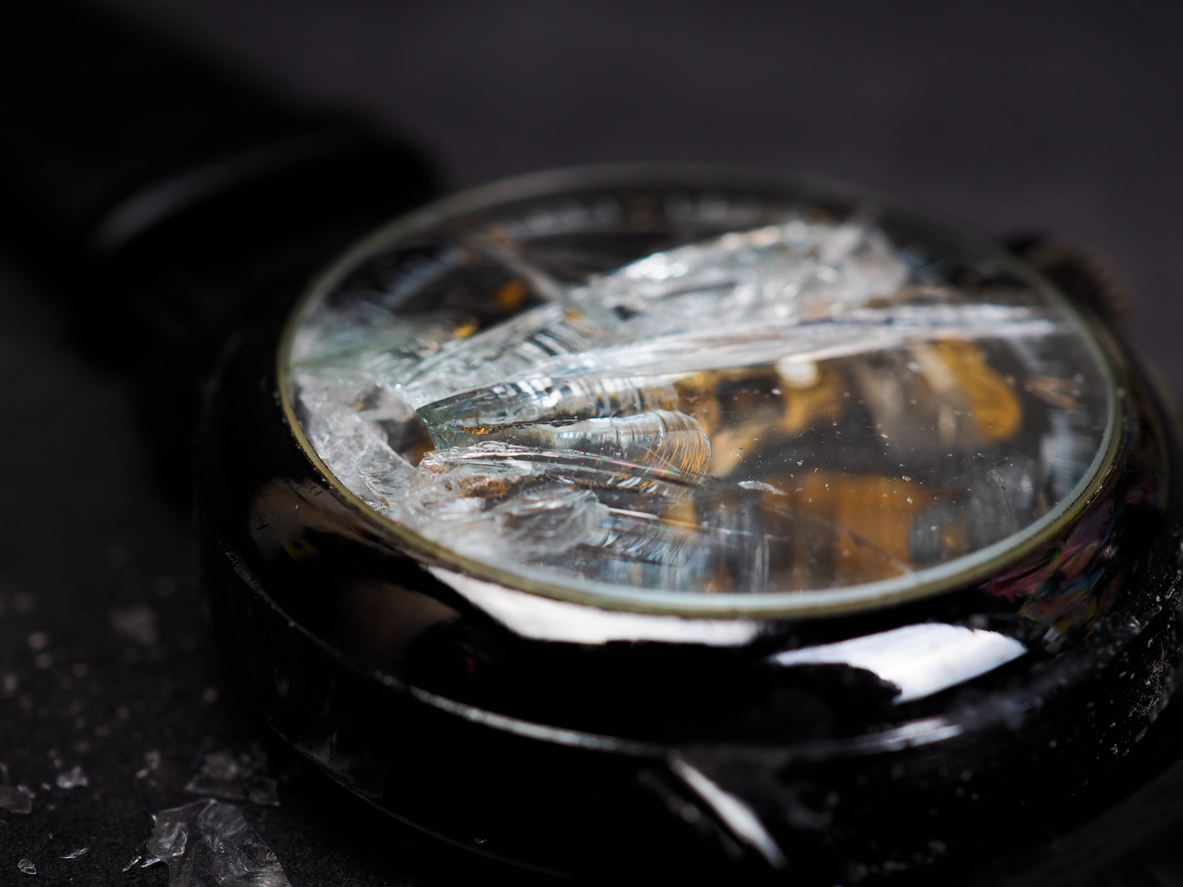
Cracked watch crystal
02

Crystal Work

Sometimes the clearest improvement is right on the surface.

A scratched acrylic crystal can often be polished out. If it's cracked, chipped, badly clouded, or just the wrong crystal, replacing it usually makes more sense. Which way to go depends on the watch — and how much you care about keeping it original.

  • Acrylic polishing where appropriate
  • Replacement review for damaged crystals
  • Fit and appearance considered together
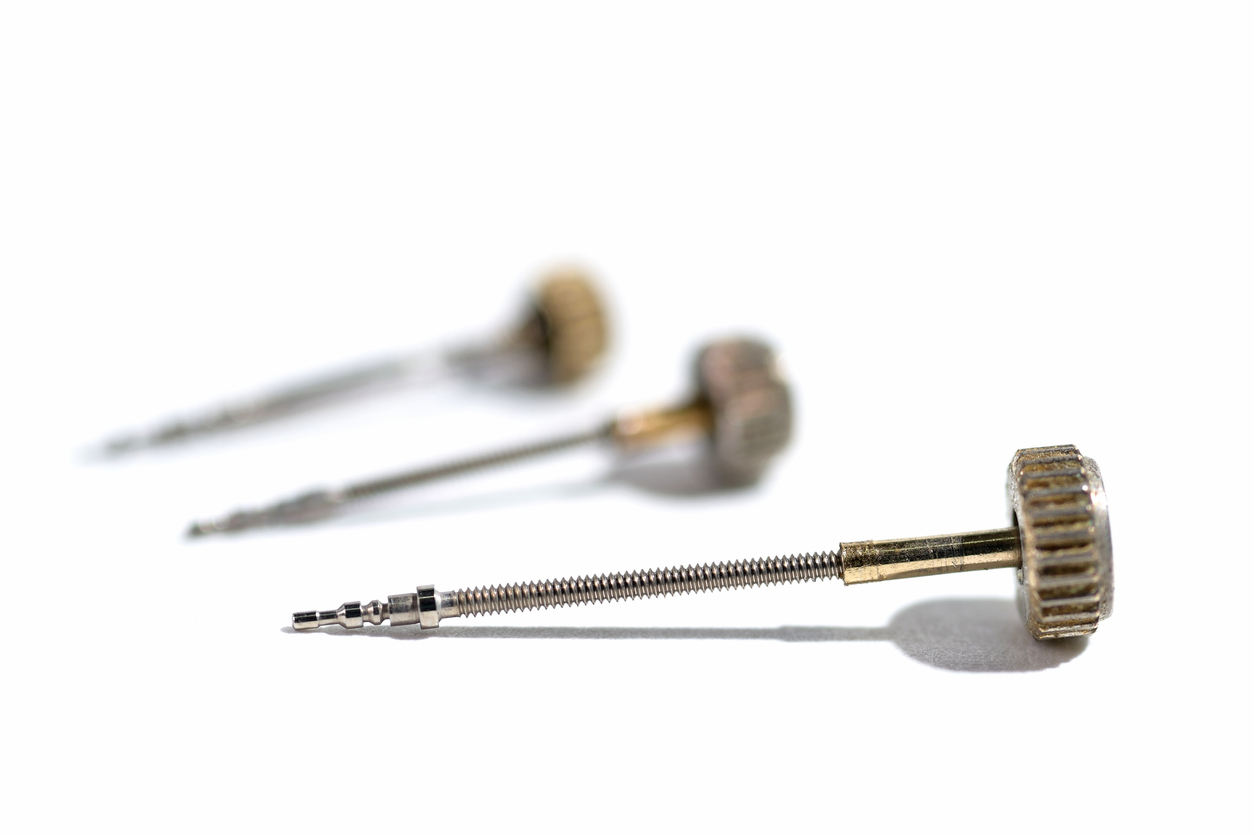
Watch crown and stem repair
03

Stem & Crown

Small parts that make a big difference in daily use.

A loose crown, rough winding, a watch that won't set right — that usually points to the stem and crown. I'd rather figure out what's actually wrong than just push a worn part to keep going.

  • Winding and setting diagnosis
  • Stem/crown repair or replacement when suitable
  • Fitment and safe-use guidance
Vintage watch restoration
04

Vintage Restoration

Make it usable without erasing what made it worth saving.

Older watches need judgment as much as they need tools. Original dials, hands, cases, and finishes can matter a lot, so anything irreversible is something we talk about first — never something I just assume.

  • Preservation-minded review
  • Originality weighed against usability
  • Visible cosmetic changes discussed first
01

Can I service it properly?

Condition, construction, past repairs, and what the movement actually needs come first.

02

Can I get what it needs?

Parts availability can decide whether a repair is straightforward, expensive, slow, or simply not sensible.

03

Does the repair make sense?

Market value matters, but sentimental value matters too. I’ll tell you when the economics look questionable and let you decide what the watch is worth to you.

Pricing & Timing

You should know the scope before you commit.

I confirm pricing only after I've actually looked closely at the watch and understand what it needs. You'll get a turnaround estimate at the same time. Vintage pieces, proprietary parts, or discontinued components can push that timeline out.

No automatic work: approval comes first.

No surprise scope: if the job materially changes, I stop and contact you.

No false precision: I would rather give you a realistic estimate than a quick number that does not fit the watch.

Not sure which service category fits?

That is normal. Describe what the watch is doing and send a few clear photos.

Start With the Watch